
 GHB 100ML
 Psychedelics
Tuci (Pink Cocaine): What It Really Is & Why You Should Be Careful
Jan
In the ever-evolving landscape of recreational drugs, a new and brightly coloured powder has been making waves, particularly in nightlife scenes across the globe. Known as Tuci, or more commonly, “pink cocaine,” this substance has garnered a reputation for being a high-end party drug, often associated with exclusive parties and a glamorous lifestyle. However, the name is a dangerous misnomer, and understanding what this substance truly is could be a matter of life and death. This article will delve into the world of Tuci, exploring its origins, what it actually contains, its unpredictable effects, and the significant risks it poses. Our goal is to provide you with the necessary information to make informed decisions and prioritize your safety. The rise of tuci pink cocaine what is it as a search term shows a growing, and necessary, curiosity into this dangerous substance, and we are here to provide the answers.
The Allure of the Pink Powder: What is Tuci?
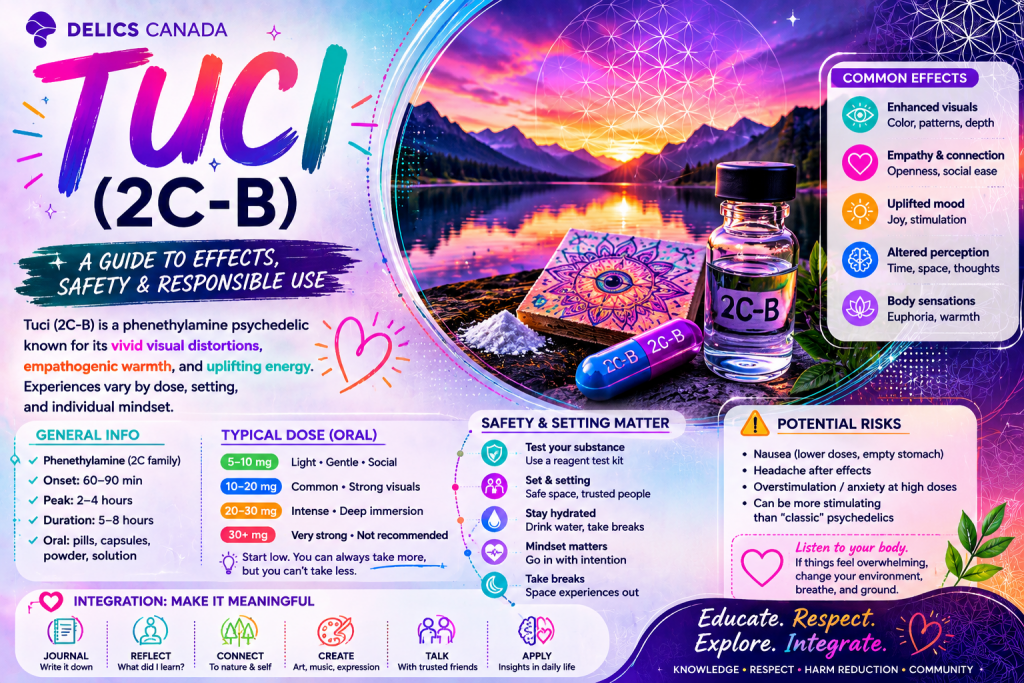
First and foremost, let’s clear up the biggest misconception: Tuci is not cocaine. While it’s often marketed as a more exclusive or exotic version of cocaine, its chemical composition is wildly different and, more importantly, dangerously inconsistent. The name “Tuci” is a phonetic adaptation of “2C,” which refers to the 2C family of psychedelic phenethylamines, particularly 2C-B. Originally, the name was associated with 2C-B, a substance synthesized by the legendary chemist Alexander Shulgin, and it gained popularity in the club scene for its unique blend of psychedelic and stimulant effects. However, as 2C-B became more difficult to source, opportunistic drug traffickers began to create their own versions, using a cocktail of more readily available, and often more dangerous, substances. The substance sold on the street today as Tuci, or pink cocaine, rarely contains any 2C-B at all. This is a critical distinction to make, as the effects and risks of 2C-B are very different from the unknown cocktail that is Tuci.
So, tuci pink cocaine what is it really? Modern Tuci is a synthetic drug cocktail, a haphazard mixture of various psychoactive substances. The only consistent feature is its distinctive pink colour, which is achieved by adding food colouring. This is a marketing tactic designed to make the drug visually appealing and create a brand identity that can be sold at a premium price. The actual ingredients can vary dramatically from one batch to another, making its consumption a high-stakes gamble. Law enforcement and toxicology reports have found a wide array of substances in samples of pink cocaine, and the user has no way of knowing what they are about to ingest. This uncertainty is the core of the danger. You are not taking a single, predictable substance, but a chemical lottery where the prize could be a fatal overdose. The branding is so effective that people will specifically seek out ‘pink cocaine’, believing it to be a specific drug, when in reality it is a complete unknown.
A Cocktail of Chemicals: What’s Really in Pink Cocaine?
The unpredictability of Tuci is its greatest danger. While the exact recipe is never guaranteed, some substances are more commonly found in this pink powder than others. The most prevalent ingredient, and the one that forms the base of most Tuci mixtures, is ketamine. This dissociative anaesthetic is responsible for many of the hallucinogenic and out-of-body experiences associated with the drug.
Alongside ketamine, dealers often mix in a variety of other drugs to modify the effects and bulk up the product. These can include:
- MDMA: To add a sense of euphoria and energy.
- Caffeine: A cheap stimulant to increase alertness.
- Methamphetamine or other amphetamines: For a more potent stimulant effect.
- Opioids (like fentanyl or oxycodone): This is a particularly terrifying and deadly addition, as even a minuscule amount of fentanyl can be fatal.
- Benzodiazepines: To add a sedative effect.
- Other novel psychoactive substances (NPS): The possibilities are endless and often untested.
It is crucial to understand that the term “Tuci” or “pink cocaine” tells you nothing about the chemical contents of the powder you might be offered. The only thing you can be sure of is its colour. This is why understanding tuci pink cocaine what is it is so vital for harm reduction.
Unpredictable Highs and Dangerous Lows: The Effects of Tuci
Given the variable nature of its ingredients, the effects of Tuci are incredibly unpredictable. The experience can change drastically from one use to the next, depending on the specific cocktail of drugs in that particular batch. One person might have a euphoric experience, while another, taking a powder from the very same batch, could have a terrifying and traumatic one. However, based on the commonly found substances, users might experience a combination of the following:
- Dissociation and Hallucinations: Due to the high prevalence of ketamine, users often report feeling detached from their body and surroundings. This can be accompanied by vivid and often frightening hallucinations.
- Euphoria and Empathy: If MDMA is present, users might feel a surge of happiness, empathy, and a desire to connect with others.
- Stimulation and Energy: The presence of stimulants like caffeine or methamphetamine can lead to increased energy, alertness, and a desire to dance or be active.
- Anxiety and Paranoia: The combination of different psychoactive substances can easily lead to overwhelming anxiety, paranoia, and panic attacks.
- Nausea and Vomiting: The body’s reaction to this chemical cocktail can often be violent, leading to severe nausea and vomiting.
The Dangers of the Unknown: Why Tuci is So Risky
The primary danger of using Tuci is the complete lack of quality control. You are entrusting your life to an unknown and unregulated mixture of drugs. Here are some of the most significant risks associated with pink cocaine:
1. Overdose: The risk of overdose is exceptionally high with Tuci. The presence of potent opioids like fentanyl means that even a tiny amount could be lethal. Furthermore, the combination of stimulants and depressants can send mixed signals to your body, leading to cardiovascular or respiratory failure. It is impossible to know what a “safe” dose is because the potency can vary so dramatically.
2. Negative Drug Interactions: Mixing different drugs is always a dangerous game. The various substances in Tuci can interact in unpredictable ways, amplifying negative side effects and creating new, unforeseen health emergencies. For example, mixing stimulants and ketamine can put immense strain on the heart.
3. Psychological Distress: The unpredictable and often intense psychedelic experience can be psychologically traumatic, leading to lasting anxiety, paranoia, or even psychosis in susceptible individuals. The term tuci pink cocaine what is it should serve as a constant reminder of the unknown and the potential for a terrifying experience.
4. No Antidote: If someone has a negative reaction to Tuci, it is incredibly difficult for medical professionals to treat them effectively because they don’t know what substances are in their system. This makes emergency medical intervention a guessing game, reducing the chances of a positive outcome.
Harm Reduction: Staying Safe in the Face of the Unknown
Given the extreme risks associated with Tuci, the safest option is always to avoid it entirely. There is no truly safe way to use a substance when you have no idea what it contains. However, if you or someone you know is considering using it, it is essential to be aware of harm reduction strategies. While no use is without risk, these steps can help mitigate some of the dangers:
- Test your drugs: If you have access to drug testing kits, use them. While they may not be able to identify every substance in a complex mixture like Tuci, they can often detect the presence of common and particularly dangerous drugs like fentanyl.
- Start with a very small dose: If you do decide to use, start with a tiny amount to gauge its effects. Remember, you can always take more, but you can never take less.
- Don’t mix with other substances: Avoid using Tuci with other drugs, including alcohol. The risk of negative interactions is already high with the unknown cocktail in Tuci; adding more substances to the mix only increases the danger.
- Have a sober friend with you: Never use Tuci alone. Make sure you are with trusted friends who are aware of what you are taking and can help you if something goes wrong.
- Know the signs of an overdose: Educate yourself on the signs of an overdose for different types of drugs, particularly opioids and stimulants. If you suspect someone is overdosing, call for medical help immediately.
Frequently Asked Questions (FAQ)
1. Is Tuci the same as 2C-B?
No, it is not. While the name “Tuci” is derived from “2C-B,” the pink powder sold on the street today rarely contains any 2C-B. It is a mixture of various other drugs, most commonly ketamine and MDMA.
2. Why is it called pink cocaine?
It’s called “pink cocaine” as a marketing tactic to make it sound more appealing and exclusive. The pink color is simply food dye, and the substance has no relation to actual cocaine. The name is a dangerous misnomer that can mislead users about its true nature.
3. What are the main risks of using Tuci?
The main risks of using Tuci stem from its unknown and inconsistent composition. These risks include a high chance of overdose (especially if it contains fentanyl), negative drug interactions, severe psychological distress, and the difficulty of providing effective medical treatment in an emergency. The question of tuci pink cocaine what is it highlights this primary danger – you never know what you are taking.
4. Is Tuci legal in Canada?
No, Tuci is not legal in Canada. The substances commonly found in Tuci, such as ketamine, MDMA, cocaine, and fentanyl, are all controlled substances under the Controlled Drugs and Substances Act. Possession, trafficking, and production of these substances can lead to severe legal consequences, including hefty fines and lengthy prison sentences.
Conclusion: A Risk Not Worth Taking
The emergence of Tuci, or pink cocaine, is a stark reminder of the dangers of the unregulated drug market. It is a substance built on deception, from its misleading name to its appealing colour. The reality is that each dose is a roll of the dice, a gamble with a potentially fatal outcome. The allure of a new and trendy party drug can be strong, but when it comes to Tuci, the risks far outweigh any perceived benefits. By educating yourself and others about the true nature of this dangerous cocktail, you can make informed choices that prioritize your health and safety.
At Delics Canada, we are committed to providing accurate, harm-reduction-focused information to our community. We believe that knowledge is power, and we encourage you to continue learning about the substances you may encounter. If you are looking for a safer and more predictable experience, we invite you to browse our shop for a curated selection of high-quality, lab-tested products. Your well-being is our top priority.
Ready to explore safer alternatives? Browse our shop today!
