
Ketamine
Ketamine for Anxiety: What Canadian Research Shows
Jan
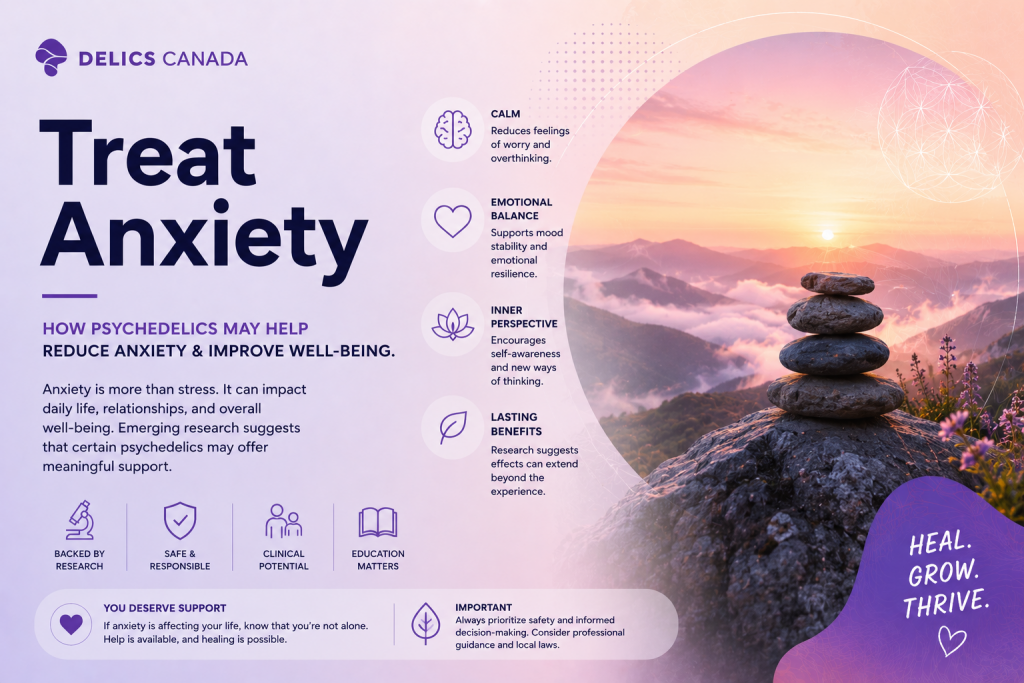
Anxiety disorders are the most common mental health concern in Canada, affecting millions of people from all walks of life. While traditional treatments like therapy and medication can be effective, they don’t work for everyone. For those with treatment-resistant anxiety, the search for relief can be a long and frustrating journey. But what if a decades-old anesthetic could offer new hope? Enter ketamine. Once known primarily for its use in operating rooms, ketamine is now at the forefront of a revolution in mental health treatment. This article delves into the world of ketamine anxiety research Canada, exploring how this powerful substance works, what the science says, and what it means for Canadians seeking alternative solutions for their anxiety.
Understanding Ketamine: More Than Just an Anesthetic
First synthesized in the 1960s, ketamine has a long history as a safe and effective anesthetic, particularly in emergency and pediatric medicine. It’s known for its ability to induce a trance-like state while maintaining breathing and heart function. However, in recent years, researchers have uncovered its remarkable potential for treating a range of mental health conditions, including depression, PTSD, and, increasingly, anxiety disorders.
Unlike traditional antidepressants that can take weeks or even months to show effects, ketamine works rapidly. Patients often report a significant reduction in symptoms within hours of a single dose. This fast-acting nature has made it a game-changer for individuals in acute distress or those who have not responded to other treatments. If you’re interested in learning more about its origins and properties, you can browse our ketamine products for more information.
How Does Ketamine Work for Anxiety?
The key to ketamine’s anxiolytic (anxiety-reducing) effects lies in its unique mechanism of action. Most common anxiety medications, like SSRIs, work by increasing levels of serotonin in the brain. Ketamine, on the other hand, targets a different neurotransmitter system entirely: the glutamate system.
Glutamate is the most abundant excitatory neurotransmitter in the brain, playing a crucial role in learning, memory, and mood regulation. It’s believed that chronic stress and anxiety can damage neural pathways and disrupt glutamate signaling. Ketamine works by blocking a specific glutamate receptor called the N-methyl-D-aspartate (NMDA) receptor. This blockage triggers a cascade of effects, leading to a surge in glutamate release. This surge, in turn, activates other receptors and stimulates the growth of new neural connections—a process known as synaptogenesis. In essence, ketamine helps to “rewire” the brain, creating healthier and more resilient neural circuits. This is a core focus of the ongoing ketamine anxiety research Canada is contributing to.
The State of Ketamine Anxiety Research in Canada
Canada has emerged as a key player in the global exploration of psychedelic-assisted therapies, and ketamine is no exception. While much of the early research focused on its antidepressant effects, a growing body of evidence now supports its use for anxiety. Health Canada has not yet approved ketamine as a formal treatment for anxiety, but it can be prescribed “off-label” by physicians in clinical settings.
Several Canadian research institutions and clinics are conducting studies to better understand the efficacy, safety, and optimal protocols for ketamine-assisted therapy. One notable example is the “Montreal Model” of ketamine therapy, which has shown promising results in providing sustained relief from both depression and anxiety. This model often combines ketamine administration with psychotherapy to help patients integrate their experiences and build lasting coping skills.
What the Research Says
Systematic reviews of the existing literature have consistently shown that ketamine can produce rapid and significant reductions in anxiety symptoms. A 2022 review published in the British Journal of Clinical Pharmacology found that ketamine’s anxiolytic effects can be felt within an hour of administration and last for up to a week. The review highlighted the potential of ketamine for patients with refractory anxiety, for whom other treatments have been ineffective.
The Canadian Network for Mood and Anxiety Treatments (CANMAT) has also acknowledged the growing body of evidence, recommending racemic ketamine as a third-line treatment for treatment-resistant depression. While this recommendation doesn’t specifically cover anxiety, the high comorbidity between the two conditions means that many patients with depression also experience significant anxiety relief. The field of ketamine anxiety research Canada is rapidly evolving, with new studies being published regularly.
What to Expect from Ketamine Treatment
Ketamine therapy is not a one-size-fits-all solution. Treatment protocols can vary widely depending on the clinic, the patient’s needs, and the specific type of ketamine being used (e.g., intravenous, intramuscular, intranasal, or oral). However, a typical course of treatment often involves a series of sessions over several weeks, followed by maintenance doses as needed.
During a session, patients are given a sub-anesthetic dose of ketamine in a controlled, clinical environment. The experience is often described as dissociative, with a sense of detachment from one’s body and surroundings. Many people report profound psychological insights, a reduction in negative thought patterns, and a feeling of interconnectedness. It is this unique psychedelic experience, combined with the neurobiological effects of the drug, that is thought to drive its therapeutic benefits. For those considering this path, exploring our ketamine products can provide a better understanding of what is available.
Safety and Harm Reduction
While ketamine has a strong safety profile when used in a medical setting, it’s not without risks. Potential side effects can include nausea, dizziness, dissociation, and a temporary increase in blood pressure and heart rate. For this reason, it is crucial that ketamine therapy is only undertaken under the supervision of a qualified medical professional. A harm-reduction approach is central to responsible ketamine use. This includes thorough screening of patients, careful monitoring during sessions, and integration support to help process the experience afterward.
It’s also important to distinguish between medical ketamine and illicit, recreational use. The purity, dosage, and safety of street ketamine are unknown, and its use carries significant risks. The promising results from ketamine anxiety research Canada are based on the controlled, medical use of the substance.
Frequently Asked Questions (FAQ)
1. Is ketamine legal for anxiety treatment in Canada?
While Health Canada has not officially approved ketamine for the treatment of anxiety, physicians can prescribe it “off-label” in a clinical setting. This means that a doctor can use their professional judgment to prescribe a drug for a condition other than what it was officially approved for. There are numerous clinics across Canada that offer ketamine-assisted therapy for various mental health conditions, including anxiety.
2. How is ketamine therapy different from traditional anxiety medications?
The primary difference lies in their mechanism of action and speed of onset. Traditional medications like SSRIs target the serotonin system and can take weeks to become effective. Ketamine targets the glutamate system and works much more rapidly, often providing relief within hours. Additionally, ketamine therapy often involves a limited number of sessions combined with psychotherapy, whereas traditional medications are typically taken daily on an ongoing basis.
3. What are the long-term effects of ketamine treatment?
The long-term effects of ketamine therapy are still being studied. The anxiolytic effects of a single dose are transient, which is why treatment often involves a series of initial sessions followed by maintenance doses. The goal of combining ketamine with therapy is to create lasting changes in thought patterns and behaviors, reducing the need for ongoing treatment. The latest ketamine anxiety research Canada is focused on optimizing protocols for long-term, sustainable relief.
The Future of Anxiety Treatment in Canada
The growing body of research, coupled with countless anecdotal reports of profound healing, suggests that ketamine is poised to become a mainstream tool in the fight against anxiety. As the stigma surrounding psychedelics continues to fade and more research is conducted, we can expect to see greater access to and acceptance of ketamine-assisted therapy in Canada and around the world.
For those who have felt let down by traditional treatments, ketamine offers a new avenue of hope. It represents a paradigm shift in our understanding of mental health, moving away from daily symptom management and toward a model that aims to heal the root causes of our suffering.
Ready to explore the potential of ketamine for yourself? Browse our curated selection of ketamine products in the Delics Canada shop and take the first step on your journey toward a more peaceful mind.
